East Meets West
About Medical Acupuncture
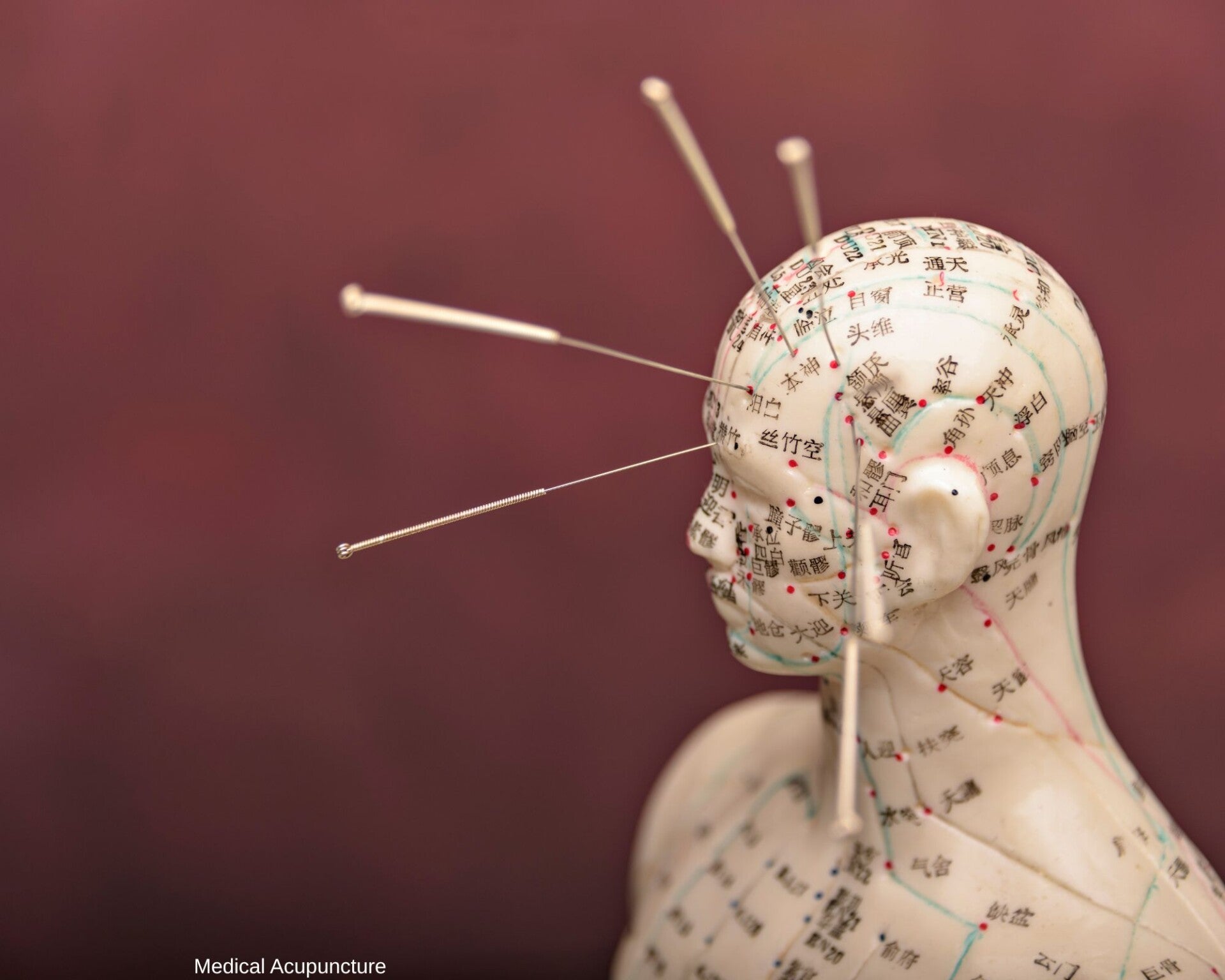
Evidence based medical acupuncture views treatment through the lens of modern anatomy, physiology, and neurology combined with traditional Chinese acupuncture concepts. The needles are used to stimulate sensory nerves, muscles, and connective tissue, which triggers the body to release natural painkillers (such as endorphins) and improves blood flow to affected areas. Acupuncture has been used for hundreds of years, but in recent years modern medicine has done some research on the effects of acupuncture. As a result of that research in November of 1997 the National Institute of Health stated that "there is clear scientific evidence to support the use of acupuncture" and "there is sufficient evidence of acupuncture's value to expand its use into conventional medicine and to encourage further studies of its physiology and clinical value." The British Medical Association stated that "acupuncture should be more widely available in the health care system, and family physicians should be trained in some of its techniques." Acupuncture is an effective intervention for a variety of conditions, with little to no side affects.
What can acupuncture treat?
Many studies have been done over the last 50+ years and those studies have shown that acupuncture is an effective treatment for:
- Migraine headaches
- Tension headaches
- TMJ dysfunction
- Tooth ache
- Sciatica
- Neck pain
- shoulder/elbow pain
- Wrist and hand pain
- Arthritis
- Ankle and foot pain
- Neuropathic pain
- Back pain
- Hip and knee pain
- Dysmenorrhea
- Plantar fasciitis
- Tendinitis
Studies have shown that acupuncture is a useful intervention for postoperative nausea and vomiting as well as nausea and vomiting associated with chemotherapy. Additionally acupuncture has been used to quit smoking, lose weight and in recovery from drug and alcohol addiction.

Electroacupuncture.
Modern acupuncture methods include the use of electric stimulation. Acupuncture needles work better if the needles are stimulated during the treatment. Needles can be manually stimulated by the practitioner by turning, flicking or pumping the needles up and down. But manual stimulation can only go so far. It's impossible for a practitioner to twist or pump a needle at a rate of 100 times per second so using electric stimulation allows the practitioner to stimulate needles at much higher frequencies than can be achieved manually. Studies have shown that stimulating at higher frequencies helps to provide immediate short term pain relief for acute conditions, and lower frequencies provide longer term, although not immediate pain relief for more chronic conditions. The Needles are inserted into acupuncture points, muscles, and/or trigger points. Clips are attached to the handles of the needles and an electric current is passed through the needles. This method is highly effective for pain management in both acute and chronic conditions. The sensation is not painful. It has a similar sensation to using a tens machine.
Does acupuncture hurt?
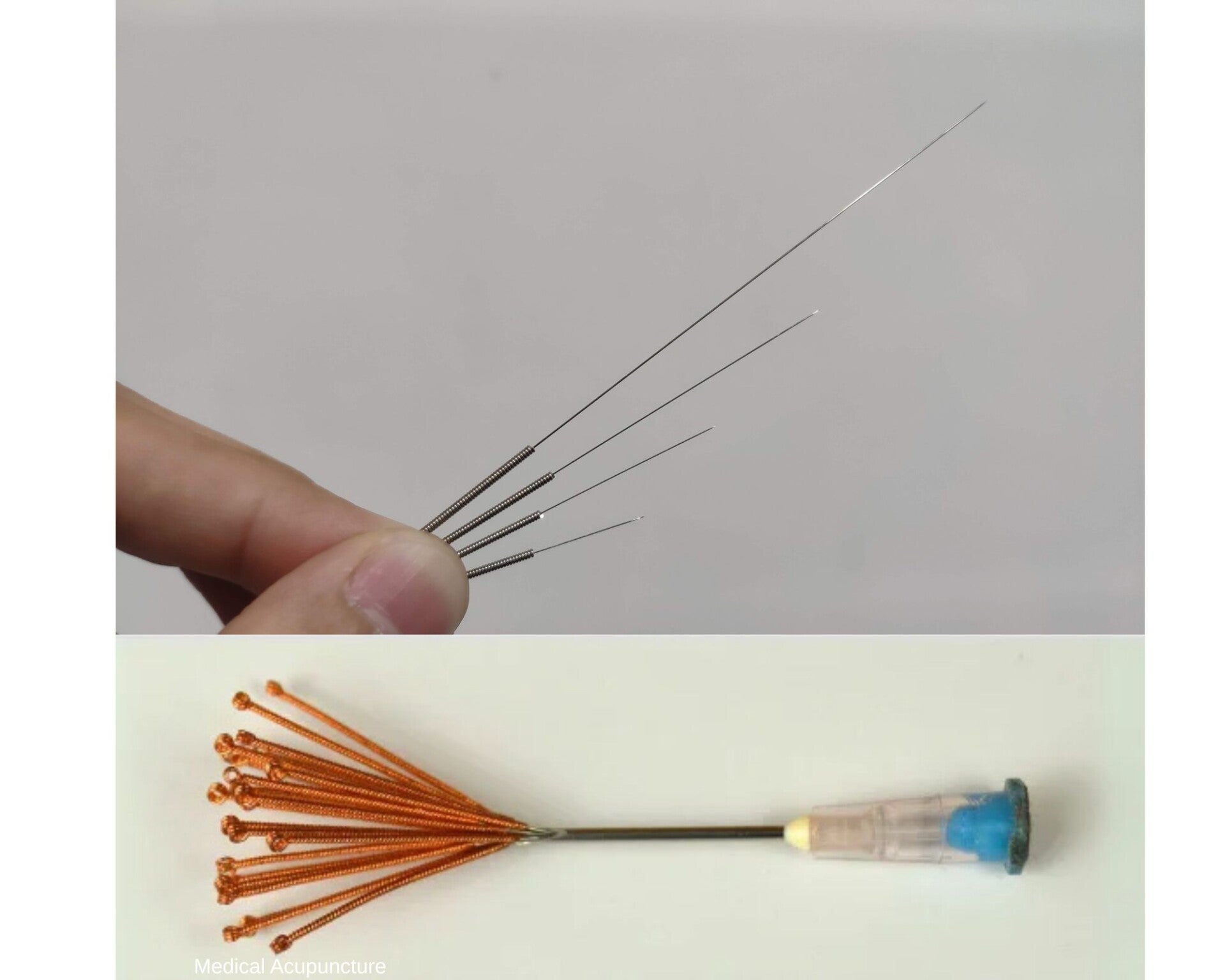
Acupuncture needles are very fine, much smaller than needles used for injections or blood draws. Acupuncture needles are so fine that as many as 21 acupuncture needles can fit in one syringe. Typically a dull achy sensation is felt at the insertion site, but this sensation is a desired response. The sensation is called "de qi" or "the chi." It's this sensation that stimulates the nervous and energetic systems. However some points can be more sensitive. Points in the hands and feet where skin is thinner, as well as some facial points can be tender. I do my best to mitigate the discomfort by using shorter thinner needles with lightweight plastic handles on areas that tend to be more sensitive.
Auricular Acupuncture
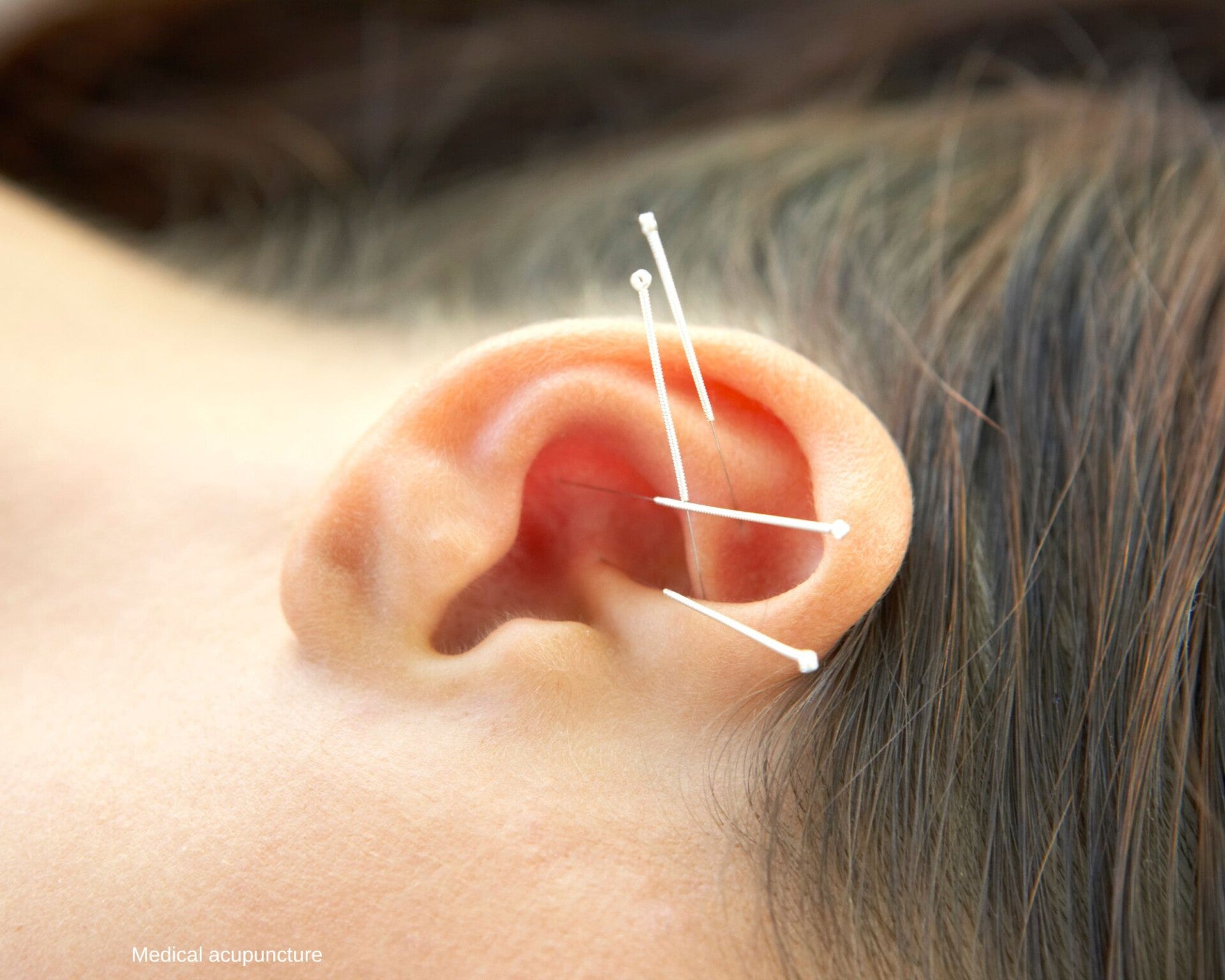
Ear acupuncture Also called "auriculotherapy" or "German Auricular Medicine is an advanced system that treats the ear as a microcosm that reflects the entire body. Developed in the 1950s from the work of French physician Dr. Paul Nogier and expanded in Germany, it targets the central nervous system to manage pain, clear blocks to healing, and restore organ/tissue balance. According to Muriel Agnes, MAEd, PhD the ear is a "window to the brain." The ear points represent not the physical part of the body being treated but the part of the brain itself that regulates and controls the organ or tissue. Neurologically acupuncture points on the body cover from the organ or tissue itself to the spine, and up to the brain. And the ear covers the actual part of the brain that controls the organ or tissue. They compliment each other beautifully. Auricular medicine can be used as a stand alone treatment but I often use it as an additional layer of treatment. The ear also provides the ability to use "ear seeds" small Gold or silver pellets placed on the points representing the part of the body affected. Or (ASP) Auricular semi permanent needles. These small dart like "needles" are inserted into the points allowing treatment to continue for days after you leave the office.